


Anchors in the Ordinary

Today we explore Everyday Objects as Meditation Anchors, transforming mugs, keys, pens, and doorways into steady reminders of breath and presence. Rather than chasing silence in distant retreats, we build it where life actually happens. Expect simple practices, science-backed insights, heartfelt stories, and practical cues you can use right now. Stay to the end for a gentle challenge and ways to share your experience, connect with others, and keep your new ritual alive.

Why little things steady attention

Tiny, familiar items act like buoys in choppy mental waters because the brain trusts repetition and context. When a mug is always cradled before emails, or a key turns before leaving, attention links to predictable sensations. This pairing becomes a doorway to breath, easing rumination and reactivity.

Designing supportive corners at home and work

Subtle adjustments make anchors effortless. Place the mug on a small coaster that feels different from anything else on your desk. Keep keys in one bowl by the door. Let a plant, a stone, or a folded cloth visually signal pauses, guiding attention without commands.

Desk companions that invite a breath

A coaster with a faint ridge, a small bell that never rings, or a smooth pebble by the keyboard can cue one inhalation before every message. Those micro-pauses compound across hours, lowering reactivity, restoring posture, and reminding you that speed is not the only metric.

Kitchen pauses that wash worry away

While water runs, place one hand under the stream and notice temperature, weight, and sound before you reach for soap. That thirty-second sensorial check-in reframes chores as care, slowing thoughts enough to choose kinder words for whoever walks in next.
Doorway rituals that reset transitions

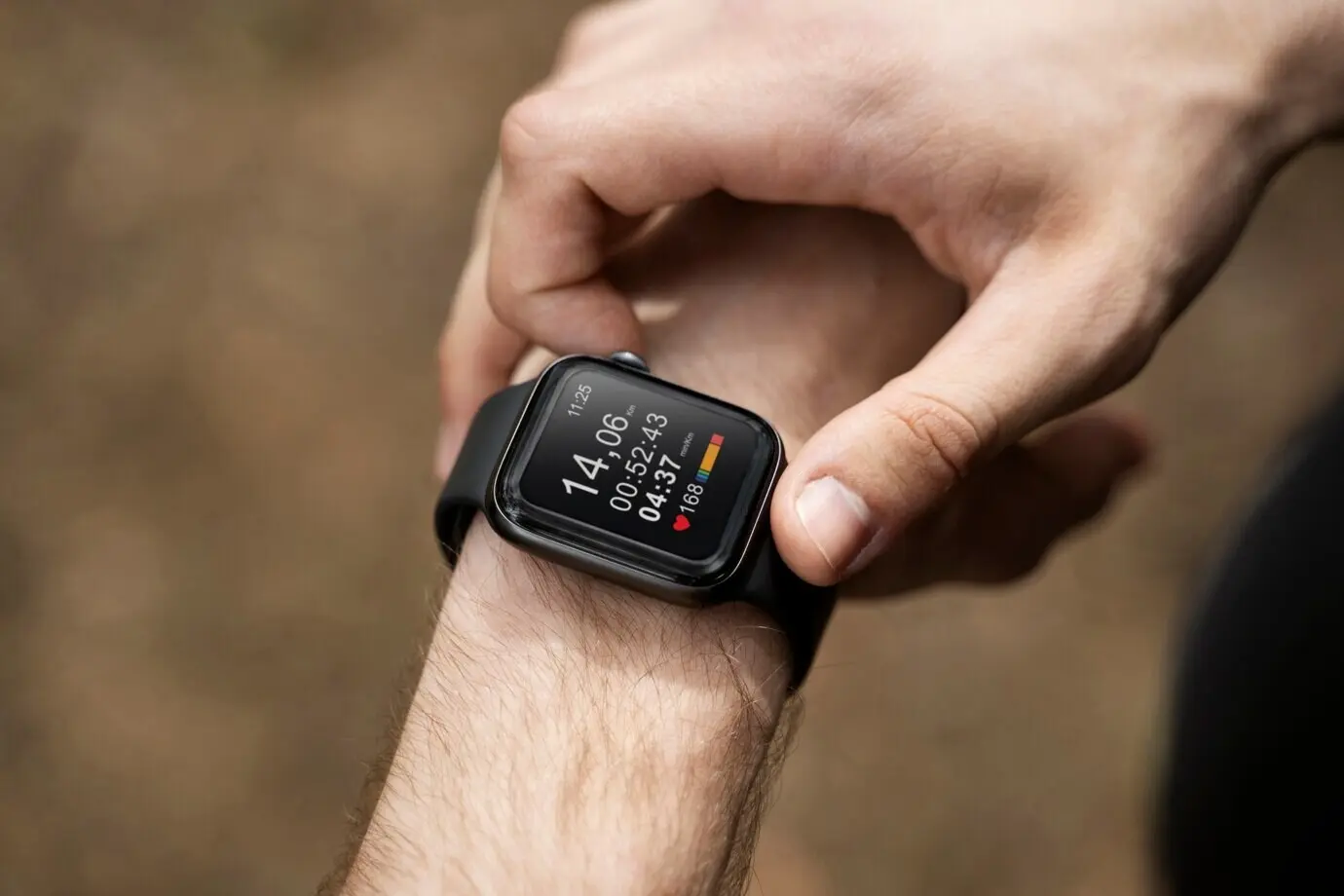
A bowl for keys, a hook for headphones, a mat aligned square—each creates a repeatable choreography as you cross thresholds. Pause, feel the mat under soles, let shoulders drop, then step. Coming or going becomes a cue to reenter yourself before the next interaction.


The warm mug pause

Wrap both hands around the mug, feel heat at the base of the thumbs, notice the circle of the rim with your index fingers, inhale for four, exhale for six. Let flavor arrive without naming it, then place the cup down with care.

Turning the key into a reset

As the key slides in, notice texture and weight. Before turning, soften your jaw. With the turn, let shoulders follow the rotation and drop. Hear the click and acknowledge the new setting. Enter as the person you intend to be for the next hour.

Elevator buttons and the micro-pause

Before pressing, feel the cool surface, then let your finger hover one breath. Press gently, noticing travel and click. While waiting, drop attention to the soles of your feet and trace weight shifting. Doors open, and you step out already less entangled in thought.

Shoelaces as a friendly checkpoint

Each time you tie or untie, let breath match the motions: cross, breathe in; loop, breathe out; pull, feel contact on the top of the foot. Thank these shoes for carrying you. Gratitude roots awareness in the body more quickly than effort.

Turning the phone into a bell of clarity

Set one contact photo to a calming color and treat every unlock as a cue for a single breath before touching any app. Screen time decreases not by scolding, but by pairing intention with sensation, reminding hands to pause before minds race ahead.

Stories that make it real

Lena’s chipped bowl began a kinder morning

After a rushed winter, Lena placed her grandmother’s chipped bowl beside the kettle. Each dawn, she touched the cool rim and whispered a thank-you before pouring oats. That pause softened her voice with family, and meetings later felt less like combat, more like conversation.

Marco found peace between subway stops

He began resting his palm on the metal pole, counting five textures from glove to ring to pole to coat to breath. When a delay hit, the sequence grounded him. Fellow riders never noticed, yet he arrived calmer, kinder, and on time for himself.

A teacher’s eraser changed a classroom tone

Before calling on students, Noor held the eraser, pressed its corners, and felt the chalk dust. One breath, then a smile. Arguments decreased. The eraser lived on the ledge as a friendly signpost, reminding adults and kids that attention precedes learning and kindness.

Sustainability, setbacks, and support

{{SECTION_SUBTITLE}}

When distraction sweeps you away

No scolding needed. Notice the pull, label it kindly—planning, worrying, replaying—and return through sensation: temperature, weight, sound. Keep the object steady in hand for one longer exhale. Each return rewires expectations, proving to yourself that attention is movable, resilient, and yours to guide.

Keeping curiosity alive when novelty fades

Rotate anchors weekly within the same routines or refresh a single object with a new sensory question: what edges, what echoes, what warmth? Map these prompts on sticky notes. Curiosity fuels dopamine, which fuels repetition, which quietly becomes care for your future self.
Lazanuvunaforazuxu
Privacy Overview

This website uses cookies so that we can provide you with the best user experience possible. Cookie information is stored in your browser and performs functions such as recognising you when you return to our website and helping our team to understand which sections of the website you find most interesting and useful.